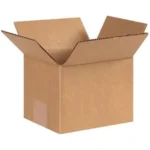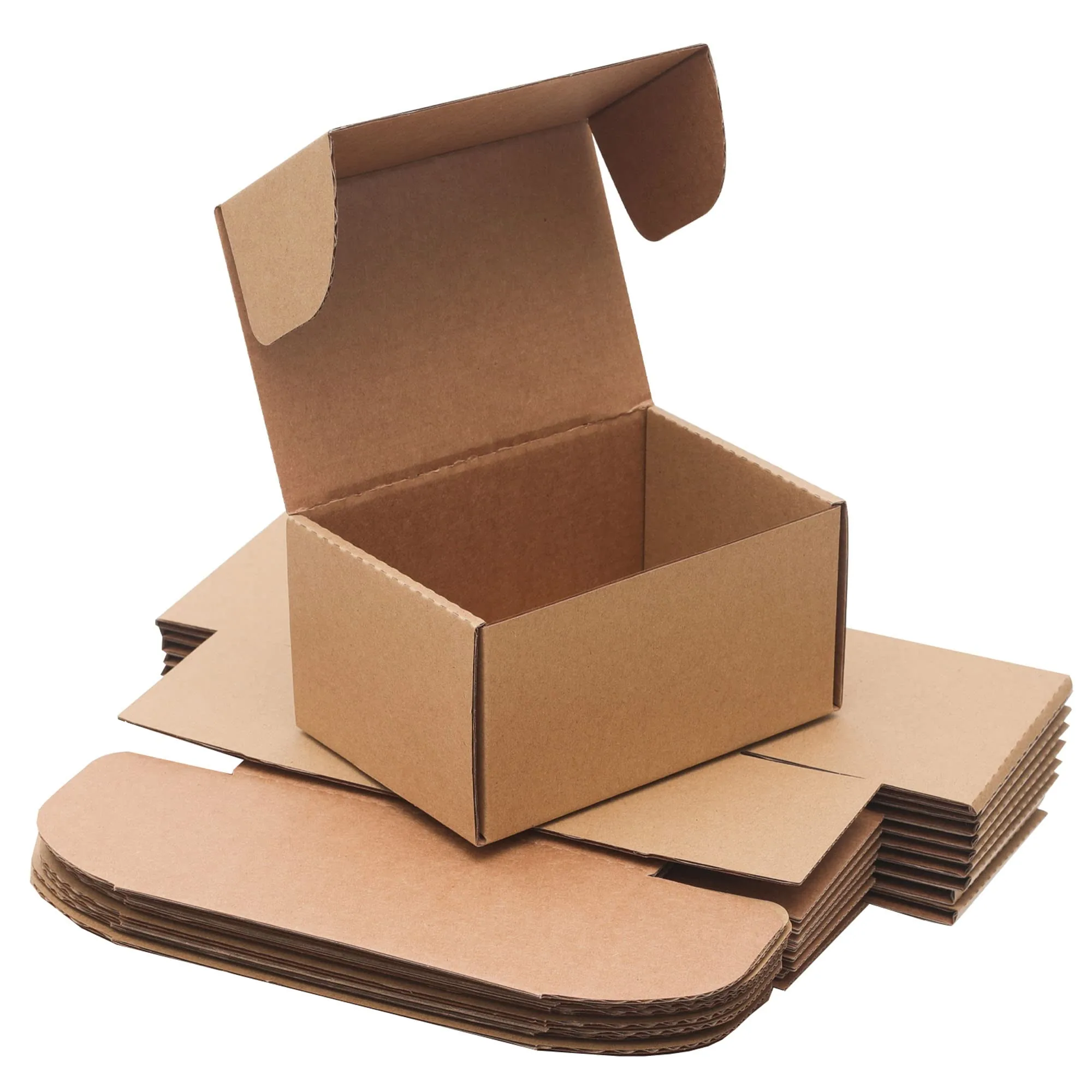
If you import fresh produce, food or consumer goods into the US, Australia or the EU, your plastic packaging now has an expiry date. New laws are capping, taxing or banning single-use plastic, and retailers are passing those rules down to suppliers. This guide is for importers, distributors and brand owners who need to replace plastic packaging with corrugated boxes and other paper formats before the deadlines arrive. It covers the rules driving the change, which plastic items can switch to corrugated carton packaging, the specs to check, and what to expect when you source from a manufacturer in Vietnam.
Why the switch is urgent: the deadlines are already set
In 2026, moving away from plastic became a compliance task. Three of the largest import markets have now put dates and numbers into law, and each one affects packaging that arrives from overseas.
European Union: PPWR applies from August 2026
The EU’s Packaging and Packaging Waste Regulation (EU) 2025/40 has applied since 12 August 2026. It replaces the old directive with one set of rules for every member state, and it applies to imported goods the same way it applies to EU-made goods. Key points for buyers:
- From 1 January 2030, single-use plastic packaging for unprocessed fresh fruit and vegetables under 1.5 kg (3.3 lb) is restricted, with limited exceptions for produce that needs protection from water loss, shock or contamination.
- Single-use plastic films used to group items at the point of sale fall under the same restrictions.
- By 2030, grouped, transport and e-commerce packaging may contain no more than 50% empty space, so oversized boxes filled with plastic void fill become a problem.
- All packaging must be recyclable, with recyclability grades applying from 2030.
United States: California sets the first plastic source-reduction law
California’s SB 54 is the most demanding packaging law in the US. Under the CalRecycle SB 54 regulations, producers must cut single-use plastic packaging by 25% compared with 2023 by 2032, with interim steps along the way. All packaging sold in the state must also be recyclable or compostable by 2032. Because California is the largest consumer market in the US, many national retailers apply the same targets to every supplier, not just to goods sold in that state. Six other states have passed their own packaging laws, so the pressure is spreading.
Australia and Vietnam: reform is moving in the same direction
Australia has spent the last few years working toward national packaging rules with mandatory design requirements and clearer producer responsibility. The detail is still being set, but the direction is clear: packaging must be recyclable, reusable or compostable, and problem plastics are being phased out. Vietnam, where many of your goods may already be made, has also started. Since 1 January 2026, the production and import of small non-biodegradable plastic bags has been banned, and most single-use plastic products and non-biodegradable plastic packaging are scheduled to stop by the end of 2030.
The recycling gap makes paper the safer bet
The numbers explain why regulators favor fiber. According to the US EPA’s packaging data, corrugated boxes reached a 96.5% recycling rate in 2018, while plastic containers and packaging were recycled at only 13.6%. When a law requires packaging to be recyclable “at scale”, corrugated board already meets that test in every major market. Most plastic formats do not.
Which plastic packaging to replace with corrugated boxes and paper
Many formats importers use every day already have a paper replacement. The table shows the most common swaps.
| Plastic item | Paper or corrugated alternative | Best for |
|---|---|---|
| Plastic clamshells and punnets | Corrugated or folding carton trays with window or open top | Berries, cherry tomatoes, grapes, small fruit |
| Reusable plastic crates (RPCs) on one-way export lanes | Single-wall or double-wall corrugated produce cartons | Mangoes, dragon fruit, citrus, avocados |
| EPS foam boxes | Corrugated boxes with water-based barrier coating | Chilled produce, some seafood |
| Plastic shrink wrap for multipacks | Corrugated trays, wraparound cartons and sleeves | Cans, bottles, jars |
| Poly mailers and bubble wrap | Corrugated mailer boxes and paper void fill | E-commerce, gifts, home goods |
| Plastic carrier bags | Kraft paper bags with paper handles | Retail, food service, promotions |
| Plastic display hooks and trays | Corrugated floor and counter displays | In-store promotions |
Produce cartons and trays
For fresh fruit and vegetables, the main change is replacing plastic clamshells, punnets and liners with fiber-based formats. Corrugated trays with die-cut ventilation holes keep airflow through the cold chain, while printed carton sleeves give retailers the shelf branding that plastic film used to carry. For heavy or wet produce, see our guide to wax-dipped cartons for fresh produce, which also explains when a recyclable coating is the better choice.
Shipping, mailer and retail packaging
For consumer goods, the biggest wins come from removing plastic from secondary packaging. Corrugated mailer boxes replace poly mailers, molded paper or corrugated inserts replace foam, and kraft paper bags replace plastic carrier bags at retail. Corrugated displays replace plastic stands and hooks in stores, and they ship flat, which cuts freight volume.
How to choose the right paper replacement: specs buyers check
Swapping plastic for paper only works if the new pack protects the product just as well. Plastic is light, strong and waterproof, so the paper version has to be engineered, not just copied. These are the specs to agree with your supplier before sampling.
Board grade and flute
The flute profile sets cushioning and stacking strength. Our article on carton box structure and common types explains each option in detail.
- E flute (about 1.5 mm / 0.06 in): thin and smooth, good for retail boxes and high-quality print.
- B flute (about 3 mm / 0.12 in): good puncture resistance, common for mailers and trays.
- C flute (about 4 mm / 0.16 in): better stacking strength, widely used for shipping cartons.
- BC double wall (about 7 mm / 0.28 in): heavy produce, long ocean transit and high pallet stacks.
Strength targets
Ask for test values, not just a board name. Edge Crush Test (ECT) and Box Compression Test (BCT) show how high cartons can stack, and Bursting Strength shows resistance to puncture. For produce shipped in reefer containers, ask for compression values after humidity conditioning, since corrugated board can lose a large share of its strength at high humidity.
Moisture and grease protection
This is where most plastic-to-paper projects succeed or fail. Options include water-based barrier coatings, curtain coating and wax. Water-based coatings keep the box recyclable in normal paper streams, which matters under PPWR and in Australia. Full wax gives the strongest protection for iced or very wet product, but it is hard to recycle, so use it only where the product needs it. Our post on seafood export cartons compares these coatings in more detail.
Printing and branding
Flexo printing is cost-effective for 1-3 color shipping cartons, while offset-laminated litho gives photo-quality graphics for retail-ready packaging and displays. Ask for food-safe, low-migration inks for any pack that touches food.
Certification and compliance documents
Large retailers increasingly ask for proof that fiber comes from responsible sources. Ask your supplier which certificates it holds (for example FSC chain of custody or ISO 9001) and request copies before the first order. For food-contact packaging going to the US, ask how the materials meet FDA food-contact requirements. For the EU, ask for a declaration of conformity and recycled-content details.
MOQ, cost and lead time
Corrugated packaging usually has lower tooling costs than injection-molded plastic, and a new die-cut tool is far cheaper than a new plastic mold. Unit prices depend on board grade, print and quantity, so ask for quotes at two or three volume tiers. Plan for sample rounds: a structural sample, then a printed pre-production sample, then a transit test if the route is long.
Sourcing paper packaging from Vietnam: what to expect
Vietnam has become a strong base for paper packaging. Many exporters of fruit, furniture, garments and consumer goods already produce in Vietnam, so sourcing packaging locally means cartons arrive at the packing house without crossing a border.
Timeline
- Brief and quote: share product dimensions, weight, target market, quantity and artwork. Expect a quote within a few working days.
- Structural sample: a plain sample to test fit, strength and stacking.
- Printed sample: a pre-production sample with final artwork and coating.
- Mass production: once the sample is approved and the deposit is paid.
- Shipping: ocean freight to the US West Coast, Australia or Northern Europe usually takes roughly 2-6 weeks depending on the port.
Incoterms and logistics
Most packaging is quoted FOB Ho Chi Minh City or Cat Lai port, with CIF available for buyers who prefer the supplier to book freight. Flat-packed cartons are efficient to ship: a 40ft container holds far more flat cartons than assembled plastic crates or foam boxes.
Export documents
Standard documents include a commercial invoice, packing list and bill of lading, plus a certificate of origin when a trade agreement lowers duty. Because corrugated packaging is paper-based, it does not need ISPM 15 heat treatment, which applies to wood packaging such as pallets. Your pallets still do, so check that they are stamped if they travel with the cartons.
Why work with Binh Minh P.A.T for your plastic-free packaging
Binh Minh P.A.T (BMP) is a paper packaging manufacturer in Ho Chi Minh City, Vietnam, with more than 15 years in carton and paper packaging. We produce corrugated cartons, folding paper boxes, paper bags and cardboard displays, so one supplier can cover the full range of plastic replacements in this guide.
- Produce packaging: export cartons for dragon fruit, jackfruit, chili, pears, grapes and other fresh produce, including waterproof cartons for export fruit.
- Printing: flexo printing for shipping cartons and offset printing for full-color retail packaging.
- Custom structures: trays, mailers, sleeves, inserts and displays designed to your product.
- Retail displays: custom cardboard floor displays that replace plastic fixtures in store.
- Export experience: packaging for buyers in the US, Europe, Japan and Australia [CHECK: confirm current export markets].
- Certifications: [CHECK: list current certificates, e.g. FSC, ISO 9001].
- Capacity and MOQ: [CHECK: monthly capacity and standard MOQ per item].
FAQ
Is corrugated packaging strong enough to replace plastic crates for export fruit?
Yes, when the board is specified correctly. Double-wall BC flute cartons with a moisture-resistant coating can handle long ocean transit in reefer containers and high pallet stacks. The key is to test compression strength after humidity conditioning, since high humidity reduces board strength. Ask your supplier for transit-test results or run a trial shipment.
Does the EU PPWR ban all plastic packaging for fruit and vegetables?
No. From 2030 it restricts single-use plastic packaging for unprocessed fresh fruit and vegetables packed in units under 1.5 kg (3.3 lb). Exceptions apply where the produce needs protection from water loss, physical shock or contamination. Larger packs are not covered by this specific restriction, but they still have to meet the general recyclability rules.
Is waxed cardboard recyclable?
Usually not in standard paper streams. Fully waxed board is hard to repulp, so many recyclers in the US, EU and Australia reject it. If your product needs moisture protection, ask about water-based barrier coatings first. Keep full wax for iced or very wet products where no recyclable coating gives enough protection.
How long does it take to switch from plastic to paper packaging?
Plan for about 6-10 weeks from brief to first shipment for a new design. That covers quoting, a structural sample, a printed sample, mass production and ocean freight. Repeat orders are faster because the tooling and artwork are already approved. Start early if you have a 2030 EU deadline.
Will paper packaging cost more than plastic?
Sometimes per unit, but not always overall. Corrugated tooling costs much less than plastic molds, flat cartons cut freight volume, and you avoid plastic taxes and EPR fees that are rising in many markets. Compare total landed cost, including fees and freight, rather than unit price alone.
Start your switch before the deadline
The rules are set: the EU restricts plastic produce packs from 2030, California requires a 25% cut in plastic packaging by 2032, and Australia and Vietnam are moving the same way. Importers who switch now can test, refine and lock in supply before the rush. Send us your current plastic pack, product size and target market, and we will propose a corrugated or paper replacement. Request a free quote and sample from our team in Vietnam.
Packaging & Shipping
- Packaging Details: Usually: 10-20 pcs per one carton or one buddle; also accept the customers package style
- Delivery Detail: 10-15 days
Company Profile
The leading manufacturer of display paper shelves in Vietnam
Binh Minh PAT, a leading paper display stand manufacturer in Vietnam with a team of creative, dedicated designers and well-skilled, experienced workers, will help you create the most high-quality paper display stand with the most suitable price.
With 15 years of experience in the packaging industry, specially being a leading paper display stand manufacturer in Vietnam, Binh Minh PAT has produced a lot of paper display stands with high quality ensuring both aesthetics and creativity which satisfied the strictest markets domestically and internationally.
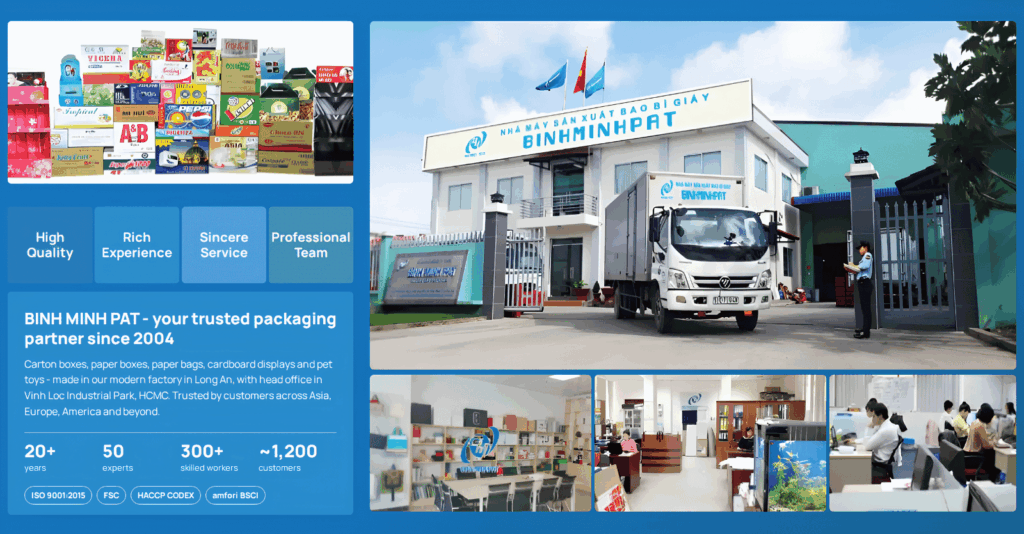
We have experiences in management of technology human and based on having ability of high technology, our production capacities are achieved by 100 million sqm/year for flexible packaging, by 20 million meters/year for sticker label, by 15 million sqm/year for corrugated box, by 55 million sqm/year for carton box and paper label.
With the commitment to customers, Binh Minh Pat Packaging Co., Ltd would like to offer the reasonable price, quick production and good service. We would like to co-operate and hope to have profitable mutually. All customers will be given a warm welcome when contacting us.

Service support where you need it
Get service support at any point of your packaging journey to guarantee total packaging success.

Consultation
Unlock the perfect package with our packaging experts! Get guidance on every step of your journey and make sure you get just what you need.

Design
Looking to launch a stunning new design or take an existing one up a notch? Our team of pros can elevate your artwork and
structural designs to extraordinary levels.

Prototype
Worried about your packaging prototype? Check out our range of flexible options to try before committing to mass production. Try it risk-free and save yourself time.

Production
Let our experts manage your production journey from start to finish – they’ll source the best materials and guarantee impeccable quality — a hassle free experience.

Logistic
Rest easy knowing that our expert logistics team has you covered when it comes to shipping. Get organized and save more with custom plans tailored for your needs!

Optimize
Discover the power of our optimization strategies, which can help you lower your time and cost spent on packaging while also improving sustainability!
Certifications

Contact Us
Any questions pls send emails to us or talk on Trademanager!

—————–
For further information, please contact us:
Binh Minh PAT Packaging Company Ltd.
Address: Lot A59/I Road 7, Vinh Loc Industrial Park, Binh Tan District, Ho Chi Minh City, Viet Nam
Hotline: +84 916 660 853 / +84 918 000 768
E-mail: info@binhminhpat.com Website: www.binhminhpackaging.vn
General FAQ
Q: What about the lead time?
A: Sample lead time is 1-3 working days.Bulk lead time: 7-15 working days.
Q: What information is needed for price?
A: For price, we need to know your display size, printing requirement, load-bearing,quantity.
Q: What is yoursample cost?
A: Design for free, free sample (sample cost can be refund).
Q: What if I already have my own designs?
A: Great! Please send your file to let us know.
Q: What if I have no any ideas for my designs?
A: It doesn’t matter, we have a professional team having rich experience in cardboard display design and manufacturingjust tell us your requirements or your display and product specification, we do and customize the POS solutions with different designs for you until you are satisfied.
Recommended for you:
 Wax-Dipped Cartons for Fresh Produce – 2027 Guide
 Apple and Cherry Export Cartons: Specs, Sizes and Sourcing from Vietnam
 Custom Fruit Gift Box with Window: Vented Corrugated Packaging for Holiday Fruit Gifting
 Seafood Export Cartons from Vietnam: Standards, Specs and How to Choose the Right Box
 Custom Fresh Fruit and Vegetable Delivery Boxes: The Ultimate 2026 Guide for Fresh Produce Businesses
 Shipping Boxes, Plain Boxes & Mailer Boxes
 FSC Certified Packaging: What It Means and Which Certifications Matter for Global Buyers
 Vietnam Fresh Dragon Fruit Packaging Carton Box for Wholesale Sale
 Cardboard Cat Scratcher Safety Standards: Why Cats Love Boxes and What Buyers Must Check
 Cardboard display stand Corrugated kids toys paper display stand cardboard display stand